Wondering whether that dated Arcadia home is a hidden opportunity or an expensive surprise? You are not alone. Many buyers are drawn to Arcadia for its lot sizes, mature landscaping, and timeless neighborhood feel, but remodel potential depends on more than a pretty street and good bones. If you are thinking about buying a home you can update or expand, this guide will help you spot what matters most before you commit. Let’s dive in.
Why Arcadia Appeals to Remodel Buyers
Arcadia stands out because the value is often tied to the site itself, not just the house sitting on it. Phoenix planning and historic survey materials describe Arcadia as an area shaped by older estate-era parcels, mature landscaping, and a residential character the city still aims to preserve. That combination can make a dated home feel more promising when the lot, setbacks, and street presence are strong.
The neighborhood’s roots also help explain why renovation is so common here. Historic records describe Arcadia as a planned rural-estate community with original parcels in the roughly five- to ten-acre range, followed by replats that still kept lot sizes relatively substantial. In the broader Arcadia Camelback area, the land-use pattern remains largely low-density residential, which keeps the lot and layout conversation front and center for buyers.
Local neighborhood history points in the same direction. The Arcadia Camelback Mountain Neighborhood Association notes that the area is known for generous setbacks, large lots, broad lawns, and historic citrus trees. It also notes that many homes built in the late 1950s and early 1960s were solid enough that owners often chose to renovate instead of move away.
Arcadia Is Not One Rulebook
One of the most important things to know is that Arcadia does not fall under a single city jurisdiction. Phoenix’s historic survey notes that the original Arcadia area spans both Phoenix and Scottsdale, including portions east of Invergordon Road in Scottsdale. That means you should verify the parcel’s city jurisdiction before assuming Phoenix rules, permits, or overlays apply.
This matters early. A home’s city location can affect permitting, historic review, and design standards. Before you get attached to a remodel idea, confirm which city governs the property and what local requirements apply.
What Homes Buyers Commonly See
Arcadia includes a large share of mid-century housing stock. The City of Phoenix says Camelback East has a broad range of housing types, with a major portion built between 1950 and 1970. The Arcadia Camelback district profile is even more specific, noting that homes built in the 1950s made up a large share of the neighborhood’s housing units.
For you as a buyer, that often means finding homes with appealing locations but older floor plans, aging systems, or dated finishes. A house may have excellent curb appeal and lot value while still needing meaningful work behind the walls. That is part of why careful project planning matters so much in Arcadia.
Common Architectural Styles
Phoenix’s Arcadia survey identifies several styles that still shape the neighborhood’s look, including:
- Monterey Revival
- Pueblo Revival
- Spanish Colonial Revival
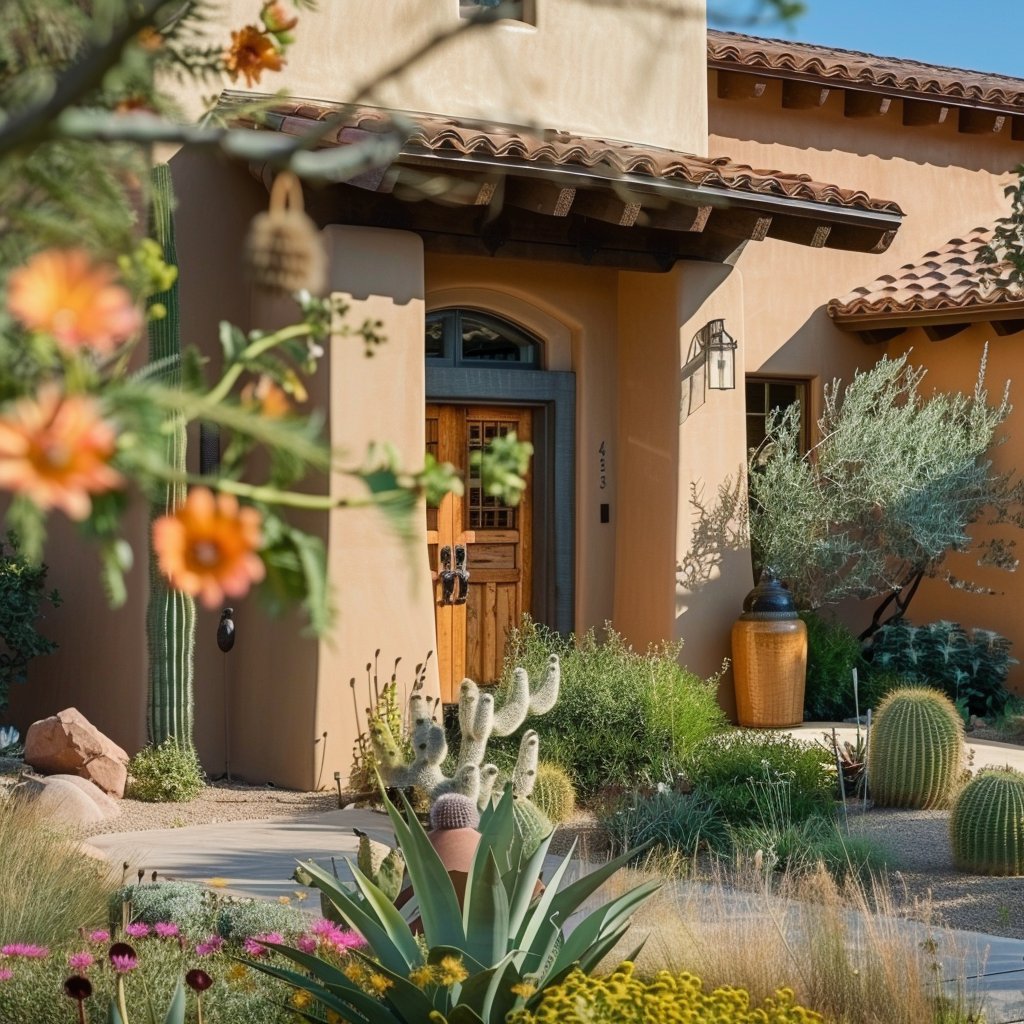
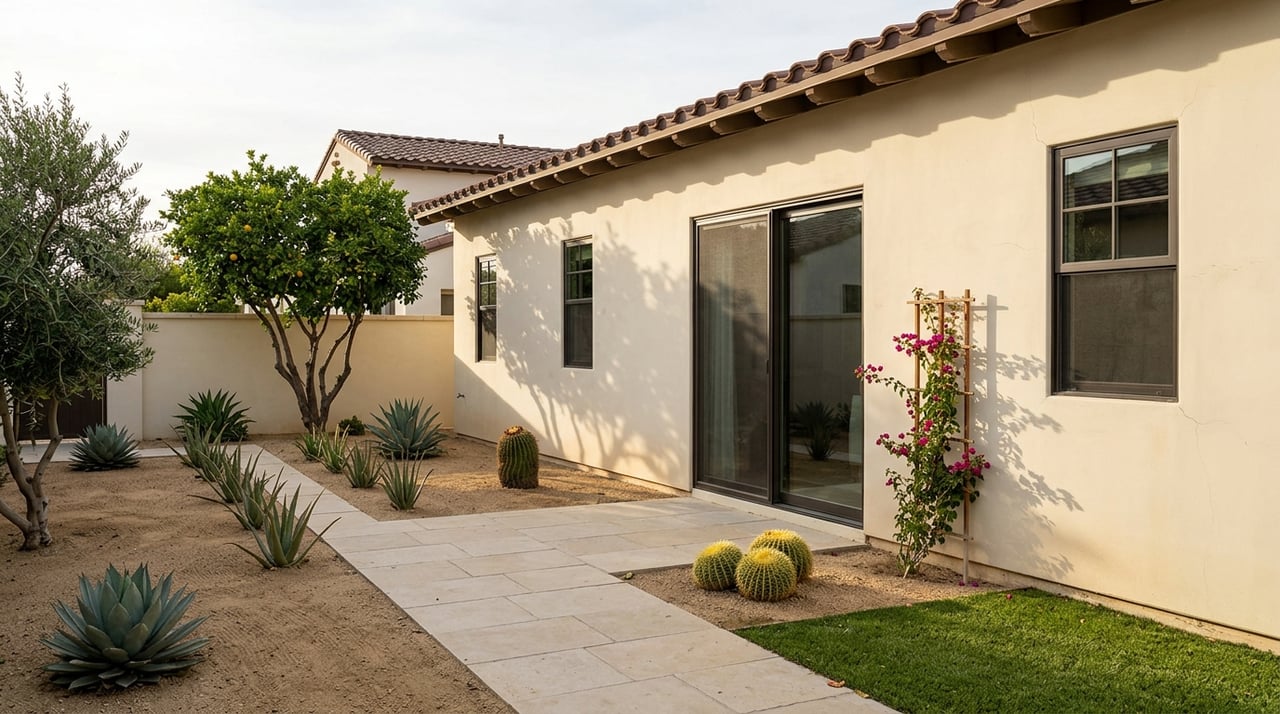
These homes often include features like low-pitched clay-tile roofs, stucco walls, parapets, courtyards, exposed rafters, and low-slung asymmetrical forms. In many successful remodels, buyers update the layout and interior systems while keeping the exterior profile and site feel recognizable.
Why the Lot Matters So Much
Arcadia’s original development model centered on a citrus-grove and rural-estate setting. Large lots were designed to function almost like small orchards, and that legacy still influences buying decisions today. Yard condition, shade trees, irrigation access, privacy, and setbacks can all matter just as much as the interior finishes.
In practical terms, you are often buying both a home and a setting. A smaller house on a strong lot may offer better long-term potential than a more updated house on a tighter or less flexible parcel. That is one reason Arcadia attracts buyers who can look beyond cosmetic condition.
What Updates Usually Fit Arcadia Best
In Phoenix, the Arcadia Camelback district materials emphasize preserving the neighborhood’s residential character. The city’s single-family design review standards also aim to minimize garage visibility from the street and place visual emphasis on the main entrance. Those guidelines suggest that the remodels that tend to fit best are the ones that respect scale and streetscape rather than overpowering them.
That usually points buyers toward updates like:
- Interior reconfiguration for better flow
- Kitchen and bath renovations
- Plumbing, electrical, and mechanical upgrades
- Additions that feel secondary to the original house
- Exterior improvements that maintain the home’s overall scale
A remodel does not have to freeze a home in time. It just tends to work best when the finished result still feels connected to the lot, the street rhythm, and the surrounding homes.
Check Historic Status Early
Some Arcadia properties may come with historic considerations. Phoenix states that designated historic properties can be subject to city review and approval for exterior alterations and demolition requests. Buyers can check whether a property is on the Phoenix Historic Property Register or has an HP or HP-L zoning suffix.
This is not something to leave until later. If historic review applies, it can shape what you can change on the exterior and how quickly a project moves. It is much better to know that before you finalize design ideas or budget expectations.
Do Not Overlook Irrigation and Yard Infrastructure
In Arcadia, the yard is often part of the value story, so irrigation deserves close attention. SRP explains that flood irrigation water is delivered through neighborhood systems and that owners are responsible for the system from the delivery gate to their property, including keeping water contained on-site. If a lot participates in irrigation, that responsibility should be part of your remodel planning.
That can affect drainage, landscape design, grading, and ongoing maintenance. In other words, the exterior project scope may be larger than it first appears. A beautiful lot can be a major asset, but it still needs practical evaluation.
How to Scope a Remodel Before You Buy
Before you write an offer on a remodel-friendly home, it helps to confirm the property basics first. In Phoenix, buyers should verify the parcel’s zoning, overlay status, setbacks, easements, irrigation situation, and any deed or HOA restrictions. Doing that upfront can save you from chasing a plan the site cannot support.
Phoenix also requires residential construction permits for many remodels and additions. The city specifically lists garage or carport work, porch enclosures, demolition, patio covers, and fences or walls among permit-triggering examples. Permitted work also requires inspections, so timing and coordination should be part of the budget conversation.
A Simple Way to Think About Project Phasing
Phoenix’s inspection process offers a useful framework for planning. Projects typically move through structural work first, then rough plumbing, electrical, and mechanical stages, followed by drywall and finish work. For older homes, that sequence is a helpful reminder that hidden conditions can affect both cost and timing.
Instead of thinking in one big renovation number, it is smarter to think in phases. That makes it easier to understand where your risk is and where your budget may need flexibility. In Arcadia, where older construction can hide surprises, this approach is especially useful.
When Design Review May Matter
For larger additions or replacement homes in Phoenix, single-family design review may come into play. The city says the review is intended to support design diversity, reduce garage prominence, and highlight the main entrance from the street. Even if a project does not trigger formal review, those principles are a good guide for what tends to feel compatible in Arcadia.
For buyers, that means size alone is not the only question. You also want to think about how the home sits on the lot, how the front elevation reads from the street, and whether an addition feels integrated instead of oversized. Fit matters.
Who You Should Consult Before Committing
A renovation-minded purchase usually needs more than a general home tour. Arizona’s Registrar of Contractors warns that anyone can pretend to be a contractor, and the agency advises consumers to verify the contractor’s license and make sure the license class matches the proposed work. That step is essential before you rely on bids or verbal assurances.
It is also wise to involve a designer or architect who can measure the home, test feasibility, and help translate your goals into a realistic scope. This is where working with an advisor who understands renovation-ready properties can be especially valuable. With Lisa Tessler’s background in property management and licensed general contracting, buyers can approach Arcadia opportunities with a more practical eye for both value and project fit.
What Makes a Strong Remodel Candidate
Not every older Arcadia home is automatically a great project. In general, the strongest candidates are the ones with sound structure, workable setbacks, and enough site area to absorb change without losing the balance of the property. The best opportunities often preserve what makes Arcadia special while improving function, comfort, and livability.
That is why buying well in Arcadia is rarely just about finishes. It is about reading the lot, the house, the infrastructure, and the local rules together. When those pieces line up, a dated home can become a very smart long-term purchase.
If you are considering an Arcadia home with renovation potential, the right guidance can help you weigh the lot, the scope, and the upside with more confidence. To talk through your options, connect with Lisa Tessler.
FAQs
What makes an Arcadia home remodel-friendly?
- In Arcadia, remodel-friendly homes often combine a strong lot, workable setbacks, older but usable construction, and a layout or site that can support updates without overwhelming the property.
Do Arcadia remodels usually need permits?
- In Phoenix, many remodels and additions do require permits, including work involving garages or carports, porch enclosures, demolition, patio covers, and fences or walls.
Are all Arcadia homes in Phoenix?
- No. Phoenix’s historic survey notes that Arcadia spans both Phoenix and Scottsdale, so you should confirm city jurisdiction at the parcel level.
Can an Arcadia property have historic restrictions?
- Yes. In Phoenix, properties on the Historic Property Register or those with
HPorHP-Lzoning may be subject to review for exterior changes or demolition.
Why should buyers check irrigation in Arcadia?
- If a lot participates in flood irrigation, the owner is responsible for parts of the system and for keeping water contained on-site, which can affect project scope, yard planning, and maintenance.